Positive Neuroplasticity: Cultivating a Resilient Brain
Executive Summary
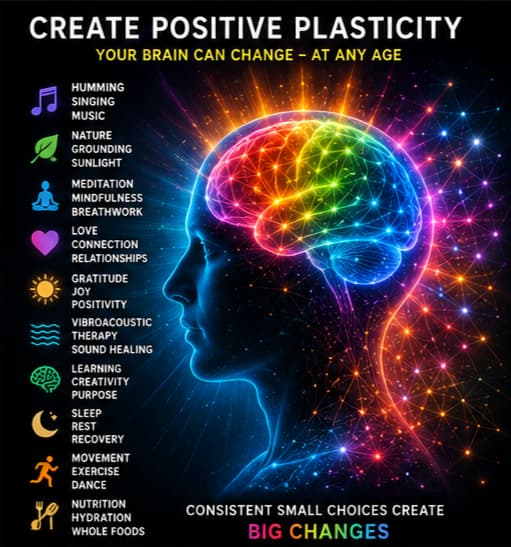
Positive neuroplasticity is the brain’s innate ability to rewire, heal and grow in adaptive ways. Certain mind-body and lifestyle practices can coax neural circuits into healthier patterns. This guide explores evidence-backed techniques — from mindful meditation and creative arts to nature immersion and gratitude — that foster a resilient, optimistic mind. Each section reviews the underlying mechanism, evidence level, and practical protocols. The tone is reflective yet practical, guiding you like a compassionate coach through each practice with poetic encouragement.
Mindful, Vocal and Musical Practices
【76†embed_image】Drawing on breath, sound and rhythm, these practices engage the limbic system and vagal pathways to soothe stress and spark synaptic growth. Each practice below has unique mechanisms and evidence levels, yet all share the power to reshape brain networks in a kind, deliberate way.
Mindfulness & Meditation
By calming the mind, mindfulness and meditation enhance top-down neural control and reduce amygdala overactivity. Recent intracranial EEG studies show even first-time meditation changes activity in deep limbic regions (amygdala, hippocampus) involved in emotion and memory【59†L369-L377】. Over time, meditation can increase cortical thickness and connectivity, improving attention and emotional balance.
- Evidence Level: High – Numerous trials and imaging studies confirm benefits. Mindfulness-based stress reduction (MBSR) and other programs show structural brain changes and mental health improvements.
- Mechanism: Enhances parasympathetic (rest-and-digest) tone and upregulates growth factors. Focused attention fosters new synaptic connections in regulatory circuits.
- Protocol: Start with 5–10 minutes of seated breath-awareness daily; gradually extend to 20–30 minutes. Apps or guided meditations can help maintain consistency.
- Contraindications/Risks: Generally safe. In rare cases, intensive practice may stir unresolved emotions; approach gently and consider guidance if needed.
- Quick-Start Exercise: Close your eyes and focus on a slow inhale-exhale cycle. When your mind wanders, gently bring attention back. Do this for 5 minutes as a morning ritual.
Breathwork & Humming
Conscious breathing techniques and gentle humming stimulate the vagus nerve, shifting physiology into a restorative mode. Humming (a form of yoga pranayama) generates vibrations that ripple through the body, activating parasympathetic pathways and calming the nervous system【83†L236-L244】. A 2023 study found humming significantly lowers stress and increases heart rate variability (HRV) compared to other activities【83†L242-L247】, indicating better autonomic balance.
- Evidence Level: Medium – Emerging studies (e.g. Trivedi et al.) report improved HRV and reduced cortisol markers with regular humming. Breathwork in yoga traditions has broad but less formal evidence.
- Mechanism: Stimulates the vagus nerve via laryngeal vibrations and slow exhalations, increasing GABAergic (calm) tone. Improves oxygenation and reduces fight-or-flight response.
- Protocol: Practice 4-7-8 breathing (inhale 4s, hold 7s, exhale 8s) or “Bhramari” humming: inhale deeply, then exhale making a “mmmm” sound. Do 5–10 minutes, 1–2× per day.
- Contraindications/Risks: Very safe for most people. Those with severe respiratory issues should do gentle breath-holding. If dizziness occurs, return to normal breathing.
- Quick-Start Exercise: Sit upright, close your eyes, and take a deep nose breath. Exhale slowly with a sustained “hmmm” sound, feeling the vibration in your chest and head【85†L261-L262】. Repeat for 2 minutes, noticing calmness spreading.
Music & Singing (Creative Arts)
Engaging with music — singing, playing instruments or simply listening — mobilises a rich network of brain regions (auditory cortex, motor areas, limbic and reward circuits) to induce plastic change【37†L161-L169】. Hearing your favorite song can instantly lift mood by triggering dopamine release. Remarkably, a 2024 study showed stroke patients with chronic aphasia who sang in choir therapy regained speech, and MRI scans revealed increased gray matter in language centers【30†L212-L221】.
- Evidence Level: High – Extensive research and meta-analyses support music therapy for cognitive, emotional and motor recovery. Singing groups improve social bonding and mental health as well.
- Mechanism: Stimulates dopamine and BDNF, promoting synaptic growth. Vocalization also activates the vagus nerve. Creative arts engage imagination, forming new associations in the brain.
- Protocol: Incorporate 10–30 minutes of music daily: sing along to a song, play an instrument, or use vibroacoustic tools (e.g. a sound chair). Join a community choir or music class if possible for added social benefit.
- Contraindications/Risks: No significant risks. Keep volume moderate to protect hearing. Those with vocal strain should use gentle humming or music listening instead of loud singing.
- Quick-Start Exercise: Hum a simple tune or sing along with a favorite upbeat song for a few minutes. Alternatively, sit quietly and really listen to a piece of music that makes you feel good, observing the sensations and emotions it evokes.
Physical Wellness (Exercise, Sleep, Nutrition)
Movement & Exercise
Regular physical activity is one of the most powerful promoters of neuroplasticity. Exercise boosts the release of brain-derived neurotrophic factor (BDNF) and other growth factors, and stimulates neurogenesis in the hippocampus. Even a brief brisk walk or dancing session can improve mood and sharpen cognition. Studies consistently find that moderate exercise (aerobic and resistance) enhances memory, attention and mental health【40†L228-L232】.
- Evidence Level: High – Large bodies of research show exercise improves learning, slows age-related cognitive decline, and can even partially restore brain volume in stressed animals.
- Mechanism: Increases BDNF, IGF-1 and endorphins while reducing inflammation and insulin resistance. Enhances blood flow and oxygen delivery, creating a nurturing environment for synaptic growth.
- Protocol: Aim for 150 minutes of moderate aerobic exercise per week (e.g. brisk walking, cycling). Include strength/resistance training 1–2× weekly. Short active breaks (5–10 minutes) during sedentary work also help.
- Contraindications/Risks: Generally safe. Start gently if new to exercise. Use proper technique to avoid injury. Consult a doctor before vigorous exercise if you have heart or joint conditions.
- Quick-Start Exercise: Stand up and do 3 minutes of light stretching or jump rope now. Notice how even brief movement invigorates your mind and body.
Sleep
Sleep is when the brain consolidates learning, prunes unnecessary synapses, and flushes out toxic byproducts. Adequate sleep (7–9 hours per night for most adults) is crucial for memory formation and emotional regulation. Chronic sleep deprivation impairs synaptic plasticity, increases stress hormones, and accelerates neuronal loss. In contrast, quality sleep stabilises new connections formed during waking hours.
- Evidence Level: High – Research shows that sleep is critical for long-term potentiation (LTP) and memory consolidation. Even one night of lost sleep measurably harms problem-solving and creativity.
- Mechanism: During deep sleep, the brain “replays” the day’s experiences, strengthening important synapses. The glymphatic system clears metabolic waste (including beta-amyloid) more efficiently during sleep.
- Protocol: Establish a consistent sleep schedule (go to bed and wake up at the same time each day). Create a dark, cool bedroom environment. Avoid caffeine and screens 1 hour before bed.
- Contraindications/Risks: Severe insomnia or untreated sleep apnea require medical attention. Avoid habits like all-night work or screen binges that can fragment sleep.
- Quick-Start Tip: Tonight, set an alarm to wind down: dim lights, turn off devices, and do a 5-minute breathing or gentle stretching routine before bed.
Nutrition
The brain thrives on nutrient-dense foods. Omega-3 fatty acids (like EPA/DHA in fish oil) are especially potent for plasticity — they’ve been shown to raise BDNF levels and protect neurons【66†L147-L155】. Antioxidant-rich fruits, vegetables, nuts and seeds combat oxidative stress. Maintaining stable blood sugar (avoiding excess sugar and processed carbs) prevents inflammation. A Mediterranean-style diet (vegetables, whole grains, lean protein, healthy fats) is most associated with better cognitive function.
- Evidence Level: Medium – Nutritional studies are complex, but systematic reviews conclude omega-3s improve cognitive aging outcomes【66†L147-L155】. Diets high in flavonoids (e.g. berries, dark chocolate) correlate with sharper memory.
- Mechanism: Provides building blocks (EPA/DHA) that enhance membrane fluidity and neurogenesis. Reduces neuroinflammation and oxidative damage, creating an optimal environment for synaptic plasticity.
- Protocol: Eat oily fish (salmon, mackerel) 1–2 times per week or take a 1000–2000 mg/day fish oil supplement (EPA+DHA). Fill half your plate with colorful vegetables. Hydrate well. Consider a multivitamin if diet is limited.
- Contraindications/Risks: Extreme diets (very-low-carb, very-low-calorie) can stress the brain if done long-term. High-dose supplements may thin the blood or affect mood in some people.
- Quick-Start Tip: Add a handful of walnuts or chia seeds to your breakfast or grab a piece of dark chocolate (70% cocoa) as a snack. These are quick sources of brain-loving nutrients.
Enriching Environments (Nature, Social, Gratitude, Learning)
Nature Exposure & Natural Living
Spending time in nature — forests, parks, gardens or even by the ocean — provides multisensory stimulation that calms the mind. Forest-bathing research shows elevated serotonin and reduced cortisol after just a few hours outdoors【40†L189-L197】. Viewing green landscapes lowers amygdala activity (stress response) and boosts parasympathetic tone. Over months, people who live or spend significant time in natural environments tend to have better attention and larger prefrontal cortex volume【40†L249-L253】.
- Evidence Level: Medium – Numerous field studies find short-term mood and immune benefits from nature exposure【40†L189-L197】. Longitudinal neuroimaging data suggest correlations with brain structure【40†L249-L253】.
- Mechanism: Lowers cortisol and adrenaline, activating rest-and-digest states. Sunlight synchronises circadian rhythms (vitamin D, melatonin regulation). Outdoor exercise adds combined benefits.
- Protocol: Aim for at least 20–30 minutes outdoors daily. Walk barefoot on grass, sit under a tree, or garden. Keep houseplants or use natural light indoors. Align sleep with sunrise/sunset if possible.
- Contraindications/Risks: Allergies or insect bites are minor concerns. Ensure sun safety (use shade or sunscreen) and stay hydrated in heat. Respect local wildlife and allergens.
- Quick-Start Exercise: Take a five-minute break and step outside (even into a backyard or patio). Close your eyes, breathe deeply and listen to the sounds of the sky or wind. Notice how stress levels drop.
Gratitude & Positive Social Connections
Humans are inherently social, and positive relationships profoundly affect brain chemistry. Acts of gratitude and kindness stimulate the brain’s reward system, releasing oxytocin and dopamine. On the flip side, chronic social isolation is a significant stressor — it elevates cortisol and even beta-amyloid pathways linked to dementia【50†L121-L124】. Regular social interaction (laughter, touch, conversation) enhances feelings of safety and belonging.
- Evidence Level: High – Surveys and experiments link strong social ties to lower depression and slower cognitive aging. fMRI studies show gratitude exercises (like writing letters) increase medial prefrontal cortex activity months later【44†L95-L100】.
- Mechanism: Engaging socially releases neurochemicals (oxytocin, endorphins) that reinforce learning and stress resilience. Gratitude shifts neural networks toward positive affect and enhances mPFC regulation of emotion.
- Protocol: Schedule regular meet-ups or calls with friends/family. Practice a daily gratitude ritual: write down 3 things you appreciate. Express thanks in words or actions (a hug, note or kind gesture).
- Contraindications/Risks: Social anxiety or depression can make this challenging; start small (a smile or brief chat). Avoid superficial social media comparisons; seek genuine face-to-face or voice connections.
- Quick-Start Exercise: Tonight, text or call one person you care about and express thanks for something they did. Keep a gratitude journal at your bedside and add one new entry each evening.
Novelty, Learning & Play
Challenging the brain with new activities — learning an instrument, playing puzzles, or exploring a new hobby — drives neuroplasticity. Novel experiences trigger dopamine surges and norepinephrine from the locus coeruleus, sharpening focus and memory encoding. In animal studies, enriched environments (toys, mazes, social complexity) dramatically boost neurogenesis. In humans, lifelong learning is associated with slower cognitive decline.
- Evidence Level: High – Education and cognitive training studies show that engaging in mentally demanding activities preserves function. Animal models consistently demonstrate more synapses and neurons in enriched conditions.
- Mechanism: Novel stimuli force the brain to adapt by strengthening existing synapses and forming new ones. The brain’s reward from mastering a challenge reinforces long-term potentiation.
- Protocol: Incorporate novelty daily: take a different route to work, solve a brain-teaser puzzle, learn a few phrases in a foreign language, or sketch/doodle freely. Treat mistakes and curiosity as signs of growth.
- Contraindications/Risks: Feeling frustrated is normal. Break tasks into small steps to maintain confidence. Avoid perfectionism; the goal is stimulation, not mastery.
- Quick-Start Exercise: Download a free brain-training app and try one new level today, or watch a short tutorial on a skill you’ve never done. Notice the excitement of learning something unfamiliar.
Therapies & Interventions
Vibroacoustic Therapy (VAT)
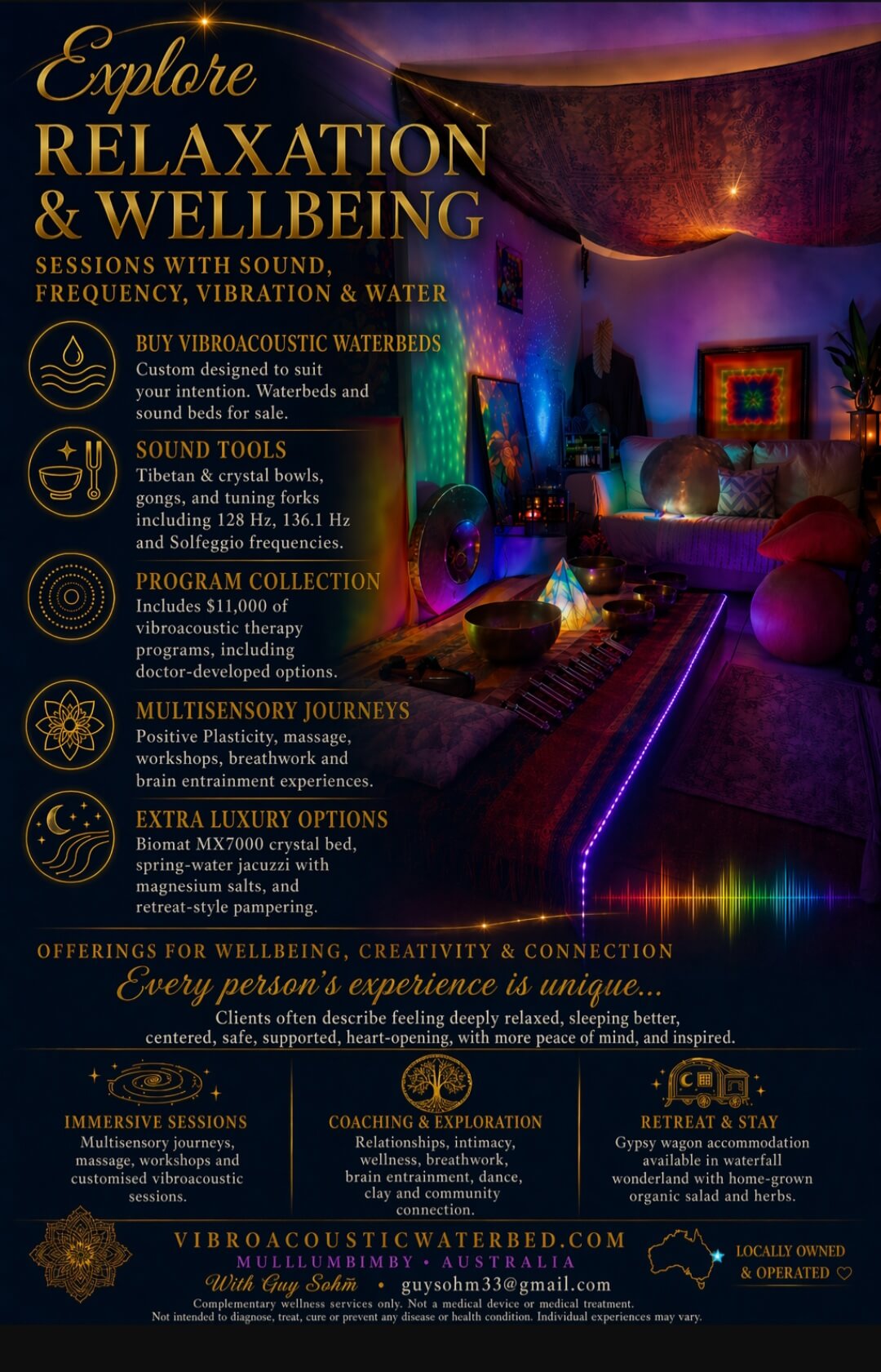
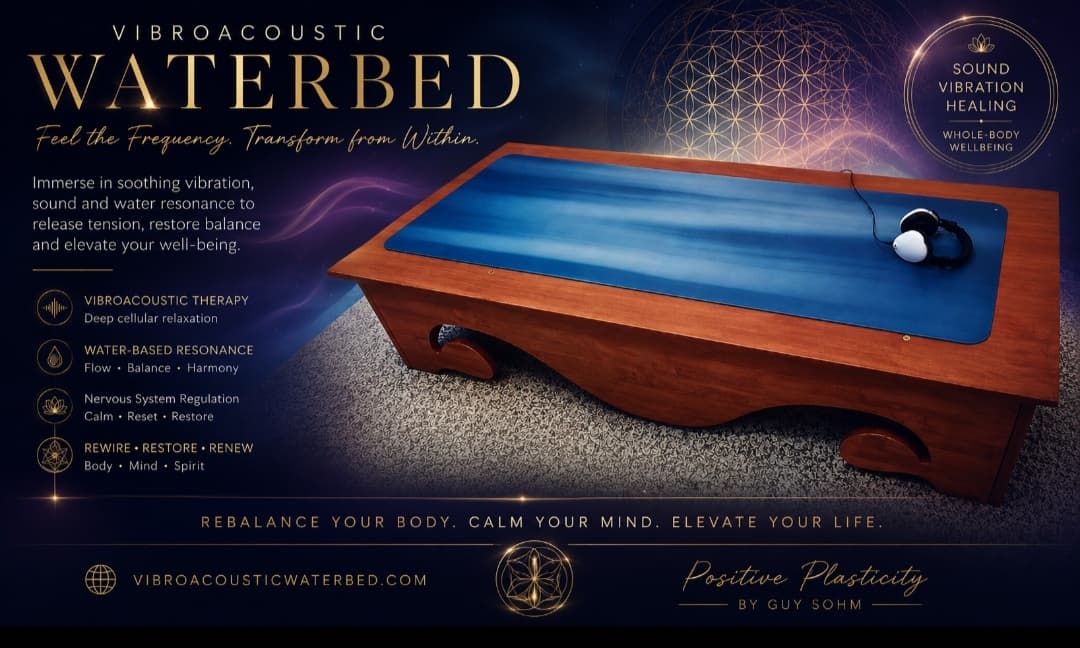
Vibroacoustic therapy delivers low-frequency sound waves through the body (often via specialized chairs or beds). It can induce deep relaxation and is being explored for neurological rehabilitation. A recent narrative review notes that VAT has shown benefits in reducing muscle spasticity and aiding motor recovery in stroke or cerebral palsy patients【82†L73-L75】. It works by combining tactile vibration with music, potentially entraining brain wave activity.
- Evidence Level: Low–Medium – Limited clinical trials exist. Current evidence is mostly in rehabilitation contexts (stroke, multiple sclerosis) with small samples【82†L73-L75】. VAT is considered promising but experimental for general wellness.
- Mechanism: The mechanical vibrations stimulate sensory pathways and may synchronize neural oscillations. Music component can add emotional and auditory entrainment.
- Protocol: Typically offered in wellness clinics: sessions last 20–60 minutes with vibration frequencies set to 30–120 Hz, often paired with calming music. Several sessions per week may be prescribed.
- Contraindications/Risks: Generally safe and non-invasive. People with implanted electronic devices (pacemakers) or severe cardiovascular conditions should consult a doctor. Motion sensitivity (vertigo) may be triggered in some.
- Quick-Start Tip: For a DIY touch, play a low-pitch music track through a speaker near the chair and lie on a yoga mat during the session. Feel the gentle vibrations in your body for 5 minutes as you relax.
Psychedelic-Assisted Experiences (Clinical Context)
Psychedelics like psilocybin (mushrooms) and LSD are drawing renewed scientific interest for their ability to enhance plasticity. Remarkably, recent research shows that psilocybin’s active metabolite (psilocin) and LSD bind directly to the BDNF receptor (TrkB), 1000× more strongly than classic antidepressants【70†L106-L115】. This means psychedelics can trigger a burst of neurotrophic signaling and rapid rewiring. Early trials report that a single guided psilocybin session can produce lasting relief from depression or PTSD when combined with therapy.
- Evidence Level: Emerging – Preliminary phase II trials and case series show promise in major depression, end-of-life anxiety, and PTSD. Mechanistic studies in animals confirm robust synaptic growth from psychedelics【70†L106-L115】.
- Mechanism: Beyond the well-known 5-HT2A serotonin effect (hallucinogenic experience), psychedelics promote synaptogenesis via BDNF/TrkB pathways. They can “reset” maladaptive neural networks when paired with psychological support.
- Protocol: In clinical trials, doses range (e.g. 25 mg psilocybin) with careful screening. A session is conducted under medical supervision with psychotherapeutic support, followed by integration therapy. Efficacy often needs 1–3 sessions over weeks.
- Contraindications/Risks: Strictly under professional care. Contraindicated in people with psychotic disorders or uncontrolled heart conditions. Risks include transient anxiety during the session, and very rarely persistent perceptual changes. Set and setting (legal safeguards) are crucial.
- Quick-Start Tip: Not for unsupervised use. Instead, explore breathwork or sound baths to induce subtle altered states safely. If legal and appropriate, seek a qualified therapist or study trial instead of self-medication.
TMS (Transcranial Magnetic Stimulation) vs. ECT (Electroconvulsive Therapy)
TMS and ECT are medical interventions for severe depression and other disorders. TMS uses focused magnetic pulses to stimulate specific cortical regions (often left prefrontal cortex), strengthening neural circuits over repeated sessions. ECT induces controlled seizures under anesthesia, causing a global surge of neurotransmitters and trophic factors. Both can remodel the brain — ECT more intensely and rapidly, TMS more gradually and locally.
- Evidence Level: High – Both are FDA-approved. ECT has the longest track record and highest remission rates for treatment-resistant depression. TMS is effective for many patients with fewer side effects.
- Mechanism: ECT triggers massive release of serotonin, dopamine and BDNF across the brain, “rebooting” circuits. TMS induces LTP-like effects in targeted areas and connected networks, enhancing synaptic strength.
- Protocol: ECT: ~6–12 sessions (3×/week) under anesthesia in a hospital. TMS: Daily outpatient sessions (30–40 minutes) over 4–6 weeks. Both require medical oversight and preparation.
- Contraindications/Risks: ECT: Memory loss and confusion (usually transient), headache, muscle ache. Requires anesthesia. TMS: Scalp discomfort, rare seizure risk (<1%). Both require evaluation (e.g. cardiac clearance, metal screening).
- Quick-Start Tip: These are specialist treatments. If someone in your circle is severely depressed and unresponsive to therapy, encourage professional evaluation. TMS is less intimidating than ECT and can be done at many clinics. ECT is considered when rapid improvement is essential.
Non-Beneficial or Harmful Practices
Certain habits counteract positive neuroplasticity. Chronic stress floods the brain with cortisol, causing dendritic shrinkage in the hippocampus and PFC (impairing memory and mood). Prolonged sleep deprivation halts plastic processes and even raises amyloid levels. Social isolation is a potent stressor that accelerates cognitive decline【50†L121-L124】. Substance misuse (excess alcohol, opioids, stimulants) damages neurons and disrupts growth factors. Limit stimulants (caffeine, sugary drinks) and avoid passive screen bingeing, as these keep the brain in an over-alert state.
- Chronic Stress: Sustained cortisol release prunes synapses and reduces BDNF, reversing exercise and meditation benefits.
- Sleep Deprivation: Prevents memory consolidation and clears toxins. Even a single night of bad sleep impairs learning.
- Social Isolation: Triggers inflammation and amyloid/tau build-up【50†L121-L124】, undermining brain health.
- Substance Abuse: Alcohol and drugs disrupt neurotransmission and kill brain cells. They dampen motivation and plasticity.
- Overstimulation: Constant stressors (like bright screens, alarms) can lock the brain into fight-or-flight, preventing restorative plastic changes.
Comparison of Methods
Here’s how various approaches stack up in terms of evidence, cost, accessibility, time and risk:
| Method | Evidence | Cost | Accessibility | Time Commitment | Risk Level |
|---|---|---|---|---|---|
| Mindfulness / Meditation | High | Low | High | Low (5-30 min/day) | Low |
| Breathwork / Humming | Medium | Low | High | Low (5-10 min/session) | Low |
| Music & Singing | High | Low | High | Variable | Low |
| Creative Arts / Play | Medium | Low | High | Variable | Low |
| Exercise | High | Low | Medium | Moderate (30 min/day) | Medium (injury) |
| Sleep Hygiene | High | Low | Medium | High (7-9h/night) | Low |
| Nutrition (Omega-3 rich) | Medium | Low | Medium | Variable | Low-Medium |
| Nature Exposure | Medium | Low | Medium | Low-Moderate | Low |
| Gratitude & Social | High | Low | High | Low-Moderate | Low |
| Learning / Novelty | High | Low | High | Variable | Low |
| Vibroacoustic Therapy | Low–Med | High (special gear) | Low | Moderate (sessions) | Low-Med |
| Psychedelic Therapy | Emerging | High (clinical) | Low | Moderate (1-3 sessions) | High |
| ECT / TMS | High | High (medical) | Low-Med | High (weeks of sessions) | High |
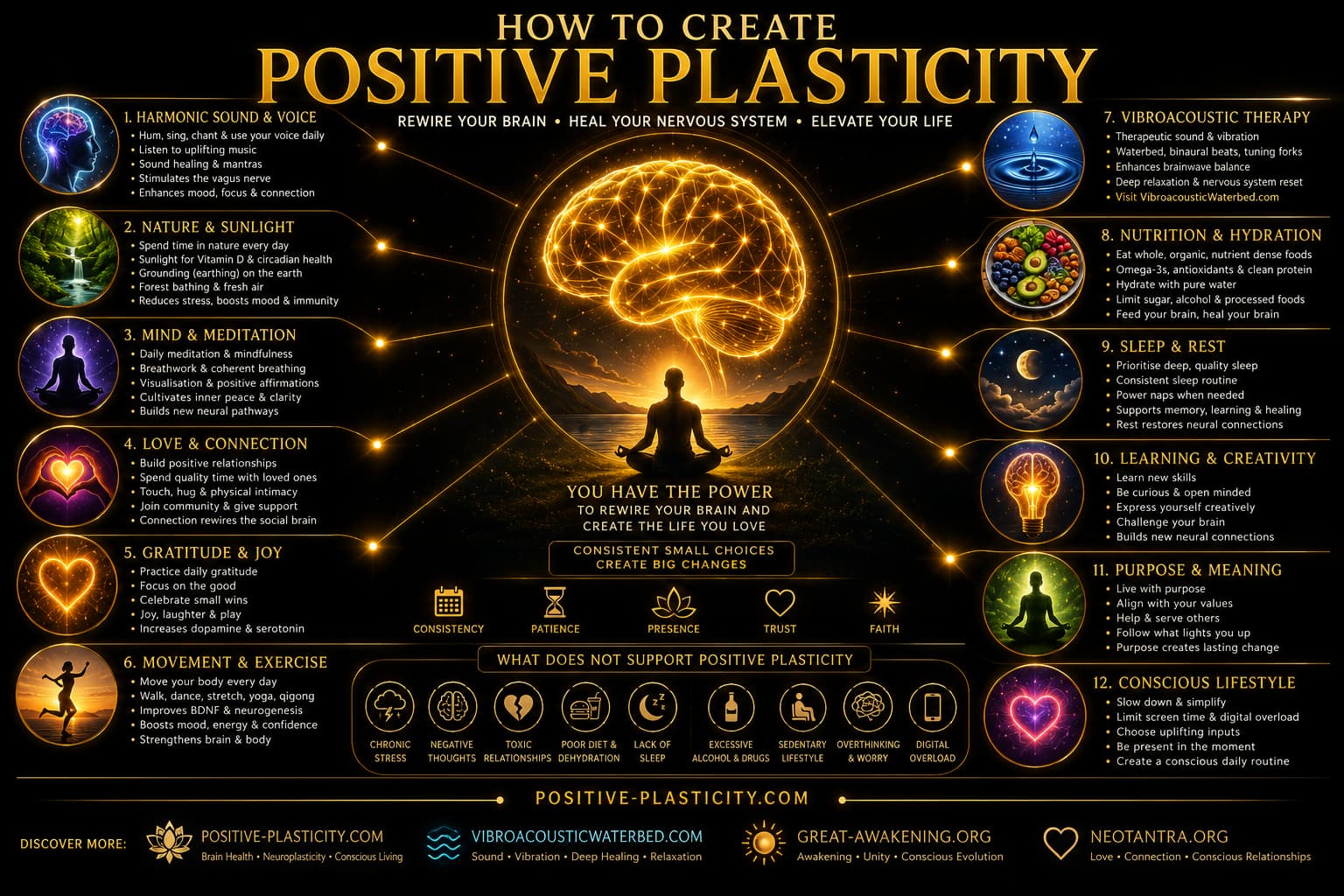
Pathways to Positive Plasticity