
What Is Positive Plasticity?
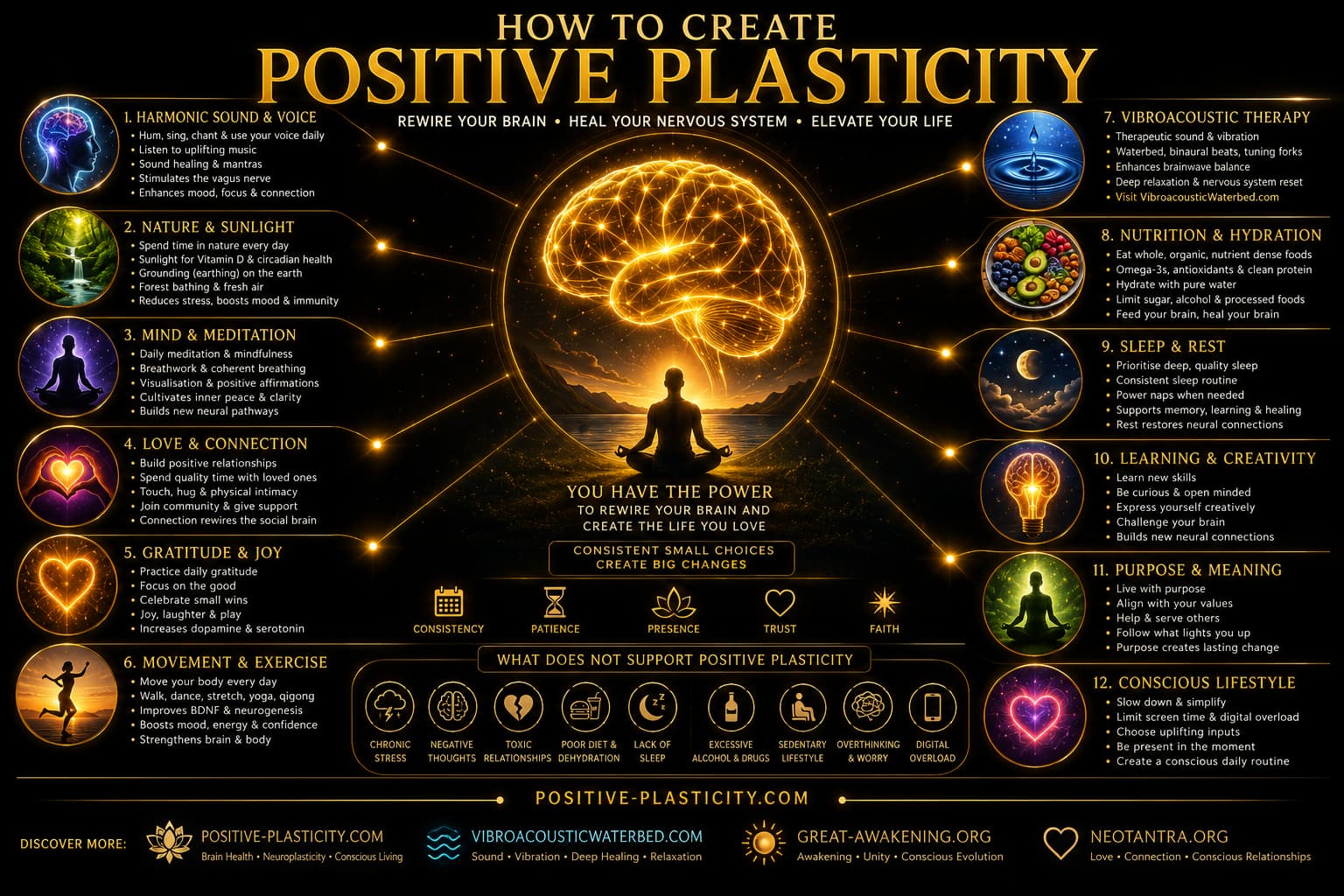
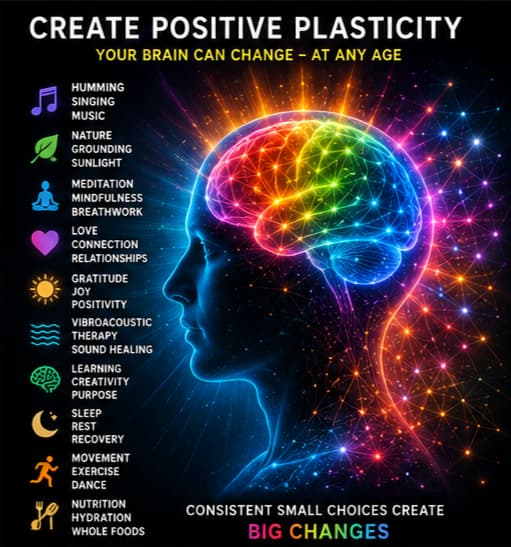
A beautiful truth of life is that we are not fixed. The brain can learn, adapt, soften, strengthen, and grow. Positive plasticity is the gentle and powerful process of helping the brain build healthier pathways through repeated positive experiences.
Positive Plasticity Explained Simply
If you have ever wondered what is positive plasticity, the simple answer is this:
Positive plasticity is the brain’s ability to strengthen supportive, uplifting, and life-enhancing pathways through repetition.
Every time we experience gratitude, calm, kindness, love, hope, safety, inspiration, or inner peace — and truly let it land — the brain has the opportunity to reinforce those states.
In other words, the more often we nourish healthy inner experiences, the more natural they can become over time. This is one of the most inspiring aspects of positive neuroplasticity.
Why Positive Plasticity Matters
The human brain is always changing. Life experiences, thoughts, emotions, habits, and relationships all leave impressions. Some patterns support our wellbeing, while others can pull us toward stress, tension, and survival mode.
Understanding positive plasticity helps us remember that change is possible. We can consciously support the brain in becoming more familiar with:
- peace and relaxation
- gratitude and appreciation
- emotional balance and resilience
- healthy self-worth
- trust, connection, and safety
- optimism and meaningful growth
This does not mean ignoring difficulty or pretending everything is perfect. It means giving the nervous system and brain more opportunities to register what is nourishing, stabilising, and life-giving.
Positive Plasticity and Positive Neuroplasticity
The term neuroplasticity refers to the brain’s general ability to change and reorganise itself.
Positive plasticity, or positive neuroplasticity, focuses specifically on strengthening beneficial patterns — patterns that support wellbeing, emotional intelligence, clarity, inner strength, and a more loving way of being.
This is one reason the idea of rewiring the brain for wellbeing is so inspiring. It points to a hopeful reality: the brain is dynamic, responsive, and shaped by repetition.
How Positive Plasticity Works
The brain learns through repetition and significance. When an experience is repeated, or when it feels meaningful enough, it has a stronger chance of shaping neural pathways.
This means that small, steady moments can have great value. A few examples include:
- pausing to truly feel gratitude instead of rushing past it
- letting a kind moment sink in for a little longer
- taking time to notice beauty in nature
- practising calming breathwork and rest
- repeating healthier thoughts with sincerity
- choosing supportive environments and relationships
Over time, these repeated experiences can help build healthy brain patterns and make supportive states feel easier to access.
Benefits of Positive Plasticity
- supports emotional resilience
- helps reinforce calm and safety
- encourages healthier thinking patterns
- can improve self-awareness and presence
- supports stress reduction and nervous system balance
- helps make gratitude, hope, and confidence more familiar
How to Build Positive Plasticity
- slow down enough to feel positive moments
- practise gratitude regularly
- nourish your nervous system with rest and breath
- repeat healthy habits daily
- focus attention on what is meaningful and life-affirming
- create rituals that strengthen inner wellbeing
A Gentle Everyday Example
Imagine you go for a peaceful walk at sunrise. The air feels fresh. The colours in the sky are beautiful. For a few moments, you soften, breathe, and feel grateful to be alive.
If you pause and let that feeling really land, rather than hurrying past it, you are giving your brain a chance to encode that experience more deeply.
This is part of the magic of positive plasticity explained simply: small positive moments, repeated and felt fully, can help shape a more supportive inner world.
Positive Plasticity Is Not Perfection
Positive plasticity is not about forcing positivity or denying pain. It is not about pretending life is easy. It is about consciously making more room for what nourishes you.
Healing and growth often happen through compassion, patience, awareness, and repetition. Even very small shifts matter.
In this way, brain change through repetition becomes a deeply human and hopeful process.
Frequently Asked Questions
What is positive plasticity?
Positive plasticity is the brain’s ability to strengthen beneficial pathways through repeated positive experiences, thoughts, emotions, and behaviours.
What is the difference between neuroplasticity and positive plasticity?
Neuroplasticity describes the brain’s overall ability to change. Positive plasticity refers specifically to changes that support wellbeing, resilience, and healthier mental or emotional patterns.
Can you train the brain toward positive plasticity?
Yes. Repeated practices such as gratitude, mindfulness, emotional regulation, rest, supportive relationships, and positive habits may help strengthen healthier neural pathways over time.
Why is positive plasticity important for wellbeing?
Positive plasticity matters because it helps the brain become more familiar with calm, safety, joy, resilience, and other states that support a more balanced and nourishing life.
Explore More
If you are inspired by the idea of positive plasticity, you may also enjoy exploring more uplifting articles on wellbeing, healthy brain patterns, and mindful living.
Visit the homepage here: Positive Plasticity
You can also continue reading this article here: What Is Positive Plasticity?
This page is designed to support inspiration, education, and wellbeing-oriented reflection. It is not medical advice.




Explore the Journey 🌈
A collection of heart-led spaces exploring positive plasticity, vibroacoustic therapy, and conscious connection. Each site offers a unique doorway into growth, healing, and deeper understanding.
Positive Plasticity
Discover what positive plasticity is and how to rewire the brain for wellbeing, resilience, and healthy patterns through simple, uplifting practices.
Explore Positive PlasticityVibroacoustic Waterbed
Explore vibroacoustic therapy, vibrating waterbeds, frequency healing, and nervous system regulation through sound and vibration.
Vibroacoustic TherapySpiritual awakening
Dive into conscious relationships, emotional intelligence, intimacy, and spiritual connection through Tantra and embodied awareness.
Explore Pure Ethical Relationships with awareness